
Before anything else, late as it is, I would like to wish everyone a happy, healthy and harmonious 2009.
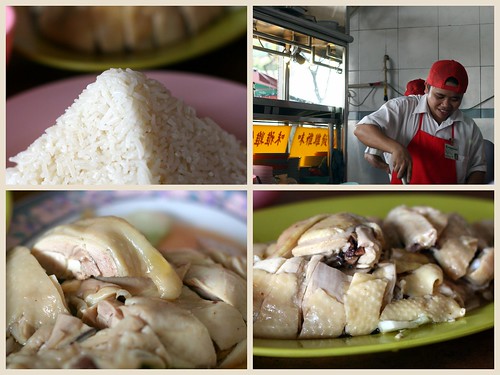
Mee first taste of chicken rice at Wiya @ Segama, the oldest known chicken rice shop in KK town. She gave it a thumbs up.

Then came the best fried noodle (Little Dave, you would love these), better than the one in Tamparuli and can only be found in Papar.
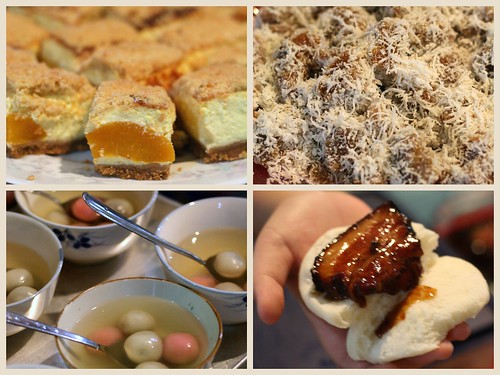
Dong Zhi, 'celebration of the arrival of winter' was on 21st Dec. and we had a steamboat dinner over at Chiew's place. I only had eyes for the desserts...
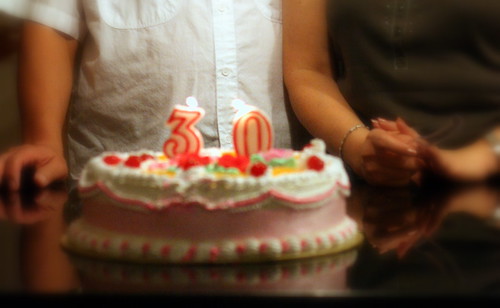
Two days later we had a surprise wedding anniversary party for Mee and David at Tet's place.
Yes, 30 years and still going strong...we wish you many more happy years together!
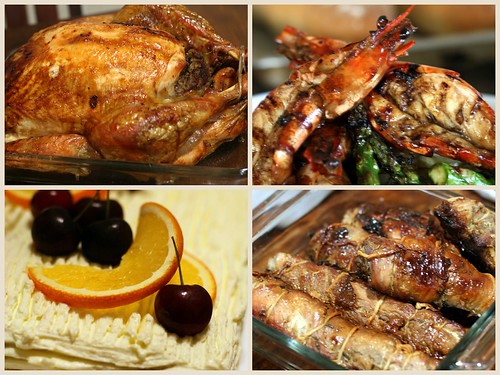
Christmas eve and night. Ben's house first and then my place... the food was endless. Last year I didn't do any turkey but this year, two in a row and they were soo good. Go to Terri's blog for the recipe.
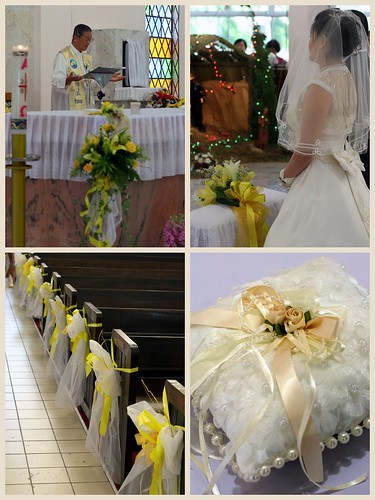
Come end of the year and wedding invitations come flooding in, it seems to be the favorite season to get hitched...this year there is one extra special one. Nancy, my niece decided to join the crowd, ended the long courtship and tied the knot with Loong. Their wedding started off on the 30th December with a mass in St. Simon Church in Likas with a luncheon to follow. Wedding dinner was held on the 6th January. Why? I heard it was because the major hotels in town were booked out every single night for this peak period with wedding and year-end company dinners. So for anyone thinking of a big do for their wedding, book earlier or choose a less busy season like March...
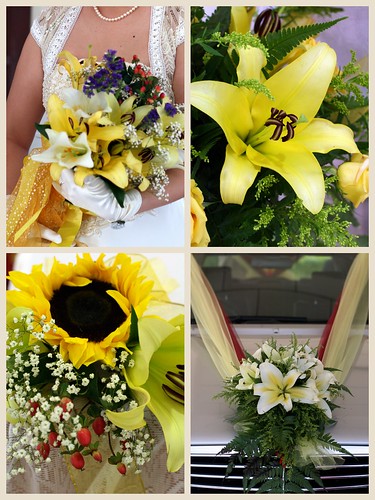
Weddings always bring tears but in a most joyful way.
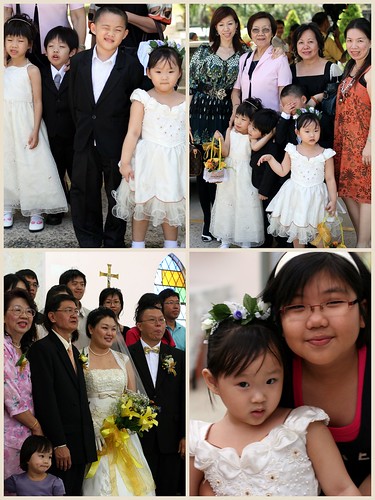
This is also the time when family and friends near and far come together to rejoice.

1st January, 2 truckloads of the family went up to Kundasang. Stayed at Zen Garden in a three- room cabin, very spacious (with living room big enough to dance in) and with cooking facility. The mountain view was breathtaking but the temperature was too warm unlike in the Kinabalu National Park.
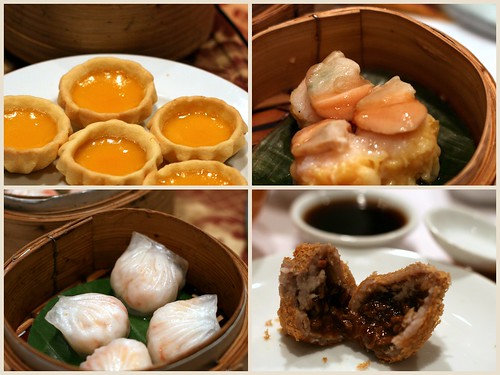

Pre-wedding food tasting at Silk Garden, Pacific Sutera Hotel.
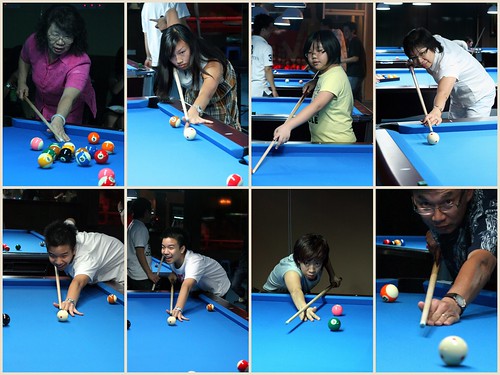
See all the pros at play.... attended the opening of Metro, a pool and snooker center in Damai.
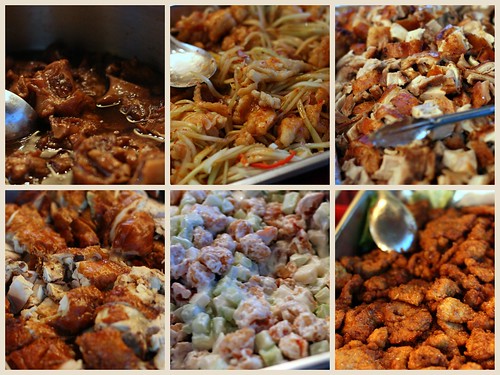
and that of course meant more food... the roast pork on the top right was the main attraction.
In addition to all the above, we brought them to all our favorite restaurants like Baba and Nyonya, Welcome Seafood, Gaya Sports (this one has improved tremendously since I last posted on it. Too bad I didn't bring along my camera this time.), pork soup in Dongongon, best Kuching laksa in town ... endless feast.
And now I am eating boil veggies and brown rice everyday until CNY...
I have made a resolution to treat my body well and that means early to bed too...so late night blogging is out.
With no food to speak of and time (as I blog at snail's pace - one post takes me hours in front of the computer and I used to blog when all are asleep and the house quiet) what is to become of this food blog???







 Another green option- ashes of the dead are cultivated into the ground to give sustenance to flowering plants, shrubs and small trees in the same cemetery.
 Burial at sea is also becoming a popular choice.
 Sunset at Tanjung Aru Beach
 I love fried rice, to cook and to eat. Especially at this time when the fridge is packed with so many ingredients to choose from.


 I think I better get this posted before the chap goh mei (15th day of the lunar new year when the new year celebration officially ends) so that you can also 'lou sang' without having to dig too deeply into your pocket!
 Drain the shredded carrot, radish and spring onion well. Arrange the shredded ingredients attractively on a big, round serving platter. We used a huge 50 cm serving glass plate for the 14 of us!
 To serve, pour the sauce over the yee sang and sprinkle with the five-spice powder, the sesame seeds and roasted peanuts.
 This is the fun part when we toss the salad together with chopsticks, wishing everyone good fortune, good health and greater success and lift everything higher and higher.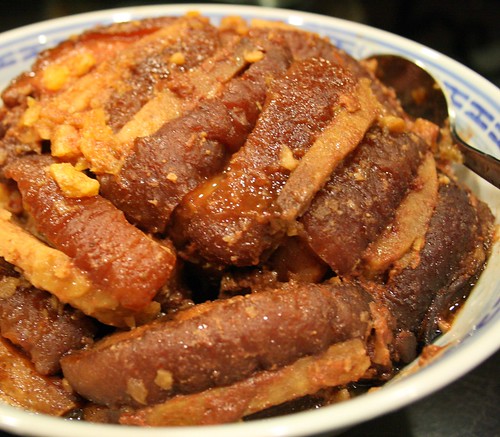
 500 gm nam yee (red fermented bean curd) - get the one packed in this small brown jug

 To prepare the pork:
 We will be taking leave from blogging for the cny period. Won't have much time to cook or to post.

 With these, let us wish you and your family loads of good health, wealth and harmony